

In today's data-driven world, businesses are continually trying to find methods to create smarter conclusions and get a competitive edge. Certainly one of the utmost effective ways to make this happen is through Data Analytics, which allows companies to gather, analyze, and interpret data efficiently. With the raising volume of data made everyday, companies need powerful techniques to convert organic information in to actionable insights.
What is Business Intelligence?
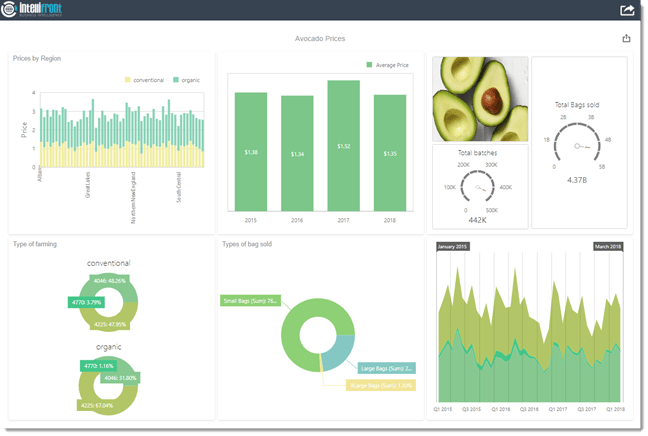
Business Intelligence (BI) is an accumulation of processes, technologies, and methods that help businesses convert organic knowledge in to meaningful insights. BI programs permit decision-makers to track crucial efficiency indicators (KPIs), monitor styles, and identify options for growth. Contemporary BI resources usually include dashboards, confirming pc software, and advanced analytics capabilities that produce information visualization available and intuitive.
How Does Business Intelligence Support Decision-Making?
Companies using BI will make informed conclusions faster. By considering traditional data, BI methods may spotlight designs that might not be apparent otherwise. For example, organizations may recognize periodic revenue traits, client conduct habits, and detailed inefficiencies. That mathematical perception enables companies to improve techniques, allocate resources effectively, and reduce costs.
Crucial Options that come with Efficient Business Intelligence Methods
Knowledge Visualization: Fun maps and dashboards allow users to understand complex information quickly.
Real-Time Reporting: Quick use of knowledge guarantees appropriate decisions.
Predictive Analytics: Forecasting trends assists in proper planning.
Tailor-made KPIs: Designed metrics arrange BI with particular Business goals.
Integration Functions: Seamless integration with other systems guarantees comprehensive insights.
What Industries Gain Many from Business Intelligence?
While BI is useful across industries, some industries see specially high returns:
Retail: BI assists monitor client tastes and enhance inventory.
Healthcare: Hospitals can monitor individual outcomes and operational efficiency.
Finance: Banks use BI to determine chance and monitor industry trends.
Manufacturing: Creation knowledge examination increases present cycle management.
What Will be the Newest Traits in Business Intelligence?
New trends display a strong focus on automation and availability:
.png?width=958&name=IFBI%20Dashboard%20(3).png)
AI-Powered Analytics: Equipment learning promotes predictive capabilities.
Self-Service BI: Empowering employees to create studies independently.
Portable BI: Accessing dashboards and reports from mobile devices.
Cloud BI Options: Scalability and remote access improve flexibility.
How to Assess the ROI of Business Intelligence?
The potency of BI could be assessed by checking metrics such as for instance:
Reduction in operational prices
Increase in income and revenue
Increased customer satisfaction
Quicker decision-making rounds
Conclusion
Adopting Business Intelligence is no longer optional for modern organizations—it's essential for development, effectiveness, and staying competitive. Companies that control BI effortlessly can not merely see their knowledge but in addition produce smarter decisions predicated on correct, actionable insights. With changing systems and new tendencies, BI will continue steadily to redefine how organizations read and act on the data.